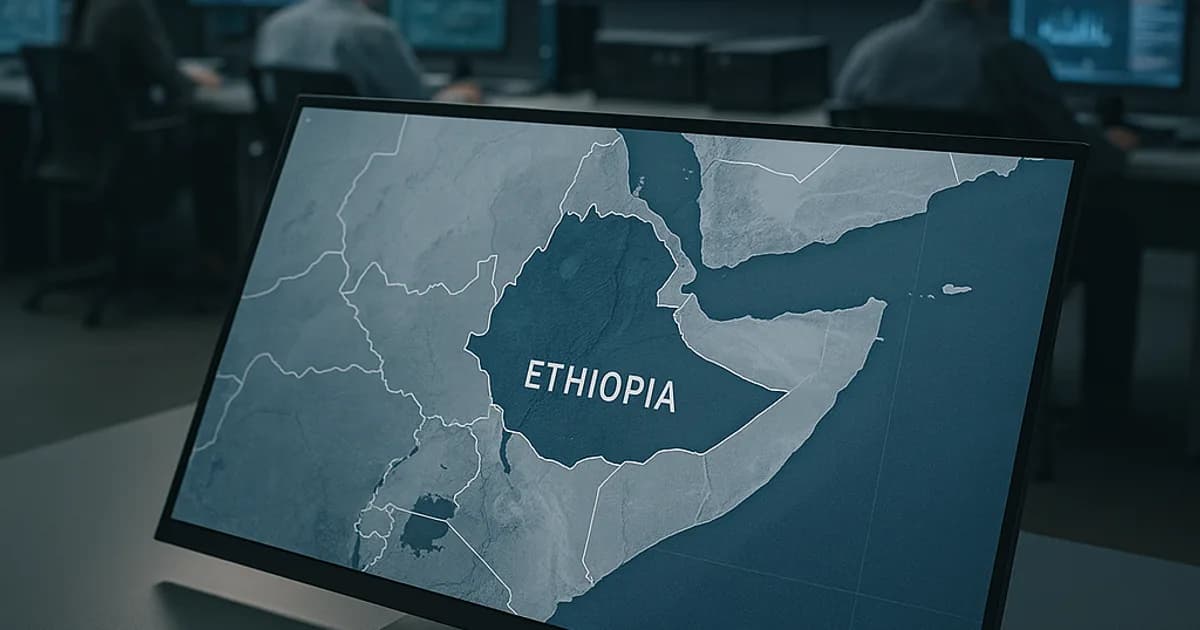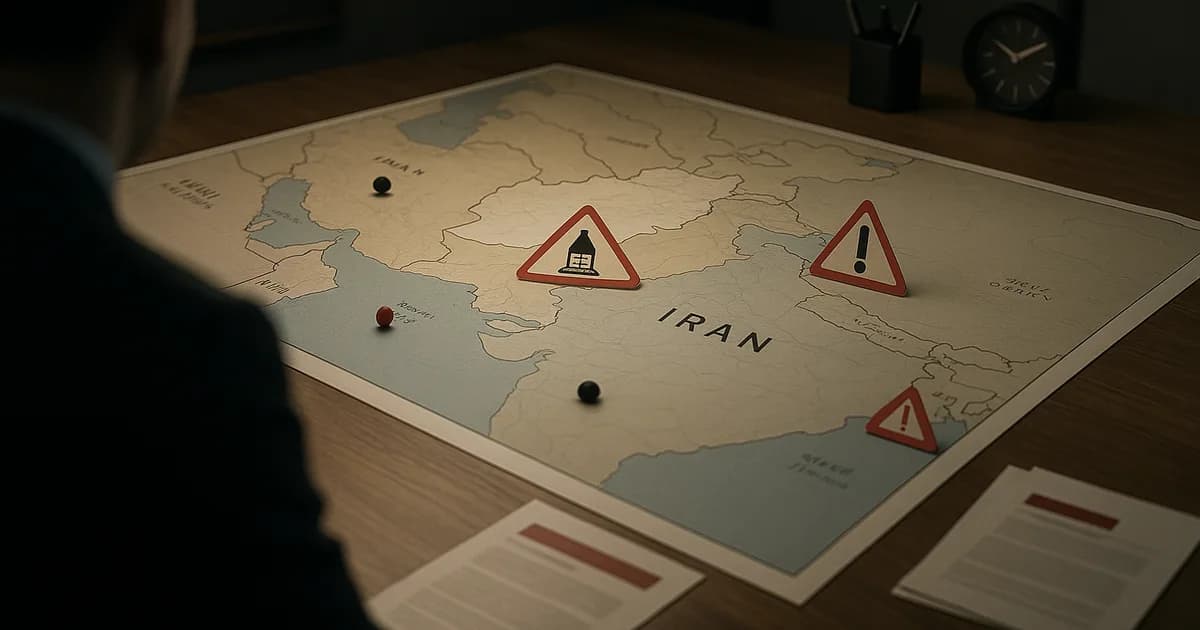
Financial Systems
10:30 UTC
The Oil Price Spike Is Reopening a Global Inflation and Recession Channel
On March 9, 2026, Brent crude briefly neared $120 a barrel as the war around Iran and the Strait of Hormuz widened supply risk. That price move threatened a broader macro shock: higher inflation, delayed rate cuts, and renewed balance-of-payments stress for vulnerable importers.
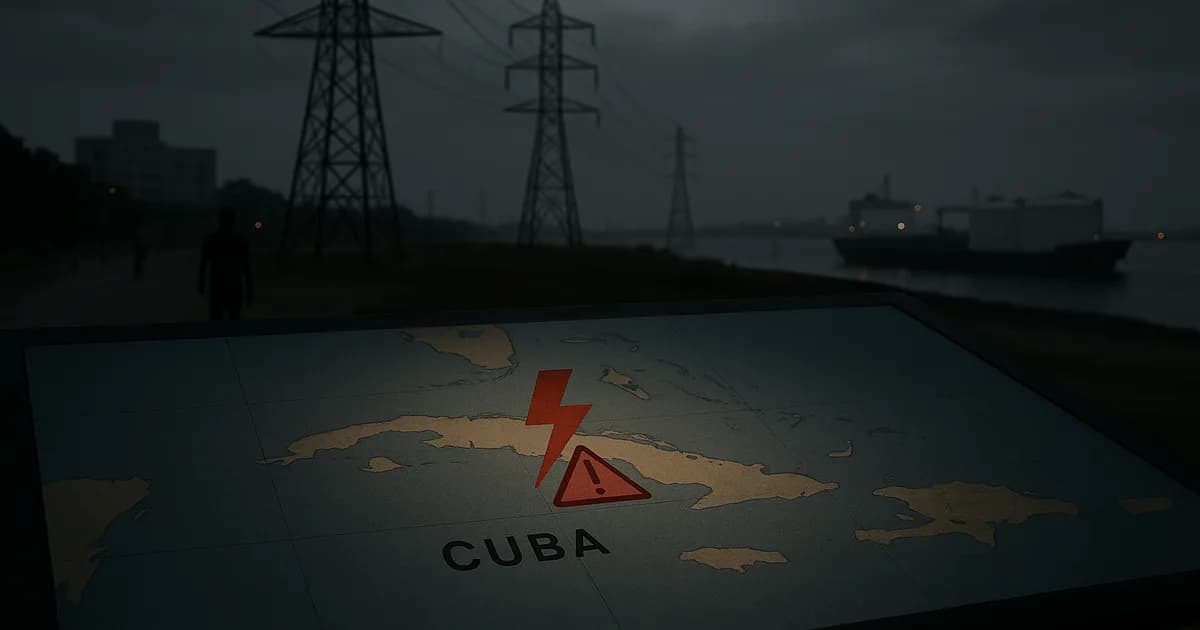
Critical Infrastructure
09:18 UTC
Cuba's Grid Failures Are Becoming a Health and Governance Risk
March 2026 blackouts across western Cuba pushed the island's energy emergency beyond the power sector into health care, water, sanitation, transport, and tourism revenue. Repeated plant failures, fuel scarcity, and restricted access to finance and spare parts are now reinforcing each other, leaving less capacity to absorb the next outage or storm.

Cyberwarfare
WatchlistStaleNo new source update in the last 14 days. This means older verification, not necessarily a resolved or false signal.08:57 UTC
Why Poland’s Failed Energy Intrusions Still Matter for Europe’s Power Grid
CERT Polska's January 30, 2026 report described the December attacks on Polish wind, solar, and heat sites as operational-technology sabotage attempts against live energy assets. They did not cause a national blackout, but they exposed a repeatable path for regional grid disruption and keep the case on the European watchlist.
Environmental Health
08:35 UTC
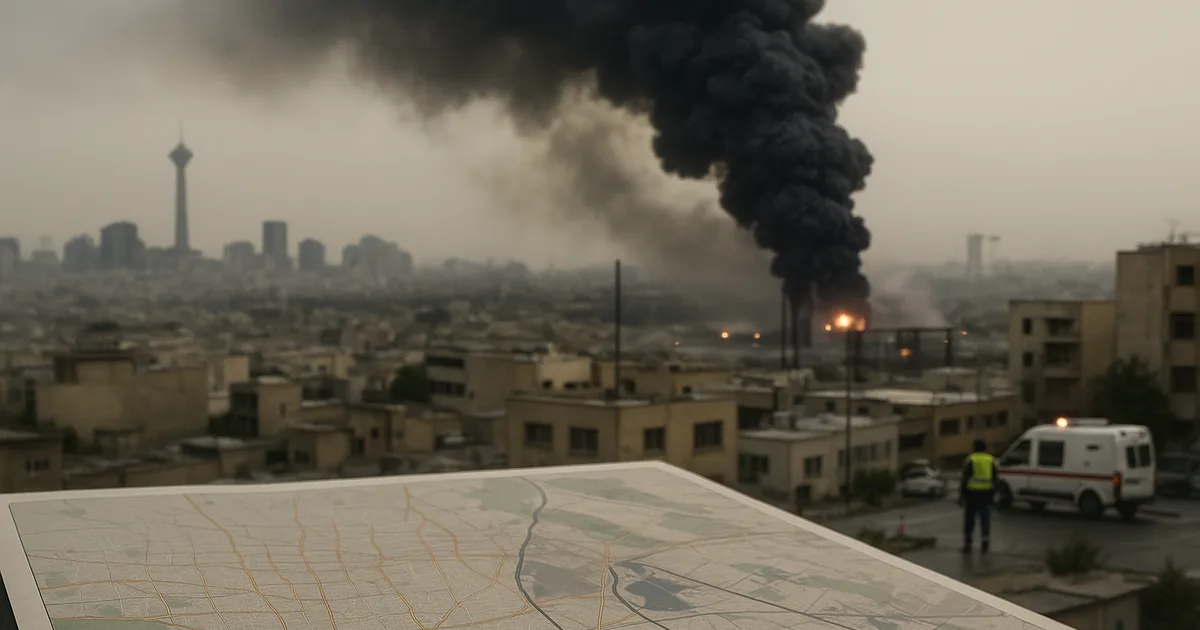
Tehran Oil-Depot Strikes Are Spreading Toxic Exposure Across the City
Fuel-depot strikes in and around Tehran pushed military escalation into a mass urban toxic-exposure event. The immediate burden is respiratory and cardiovascular stress, while repeated fires or cleanup failures could spread residue, runoff contamination, service disruption, and political blowback across the city.
Global Trade
08:35 UTC
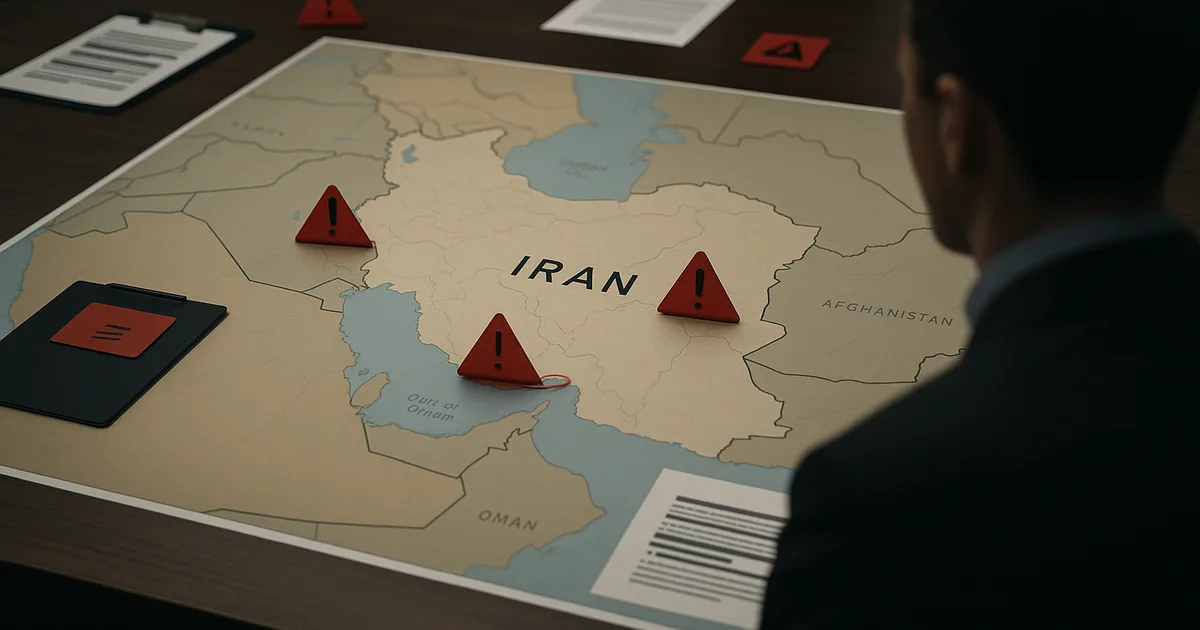
The Strait of Hormuz Is Already a Chemical and Industrial Shock, Not Just an Oil Story
By March 9, 2026, the International Monetary Fund said traffic through the Strait of Hormuz had fallen about 90 percent. That turned a military crisis into a chemical and industrial supply-chain shock affecting petrochemicals, fertilizers, sulfur, lubricants, containers, and Gulf transshipment flows.